
 |
| Imagine yourself with POTS. Now hold a conversation. |
 |
| "Its an invisible disease... Until you're passed out on the floor." |
|
| Imagine yourself with POTS. Now hold a conversation. |
|
| "Its an invisible disease... Until you're passed out on the floor." |


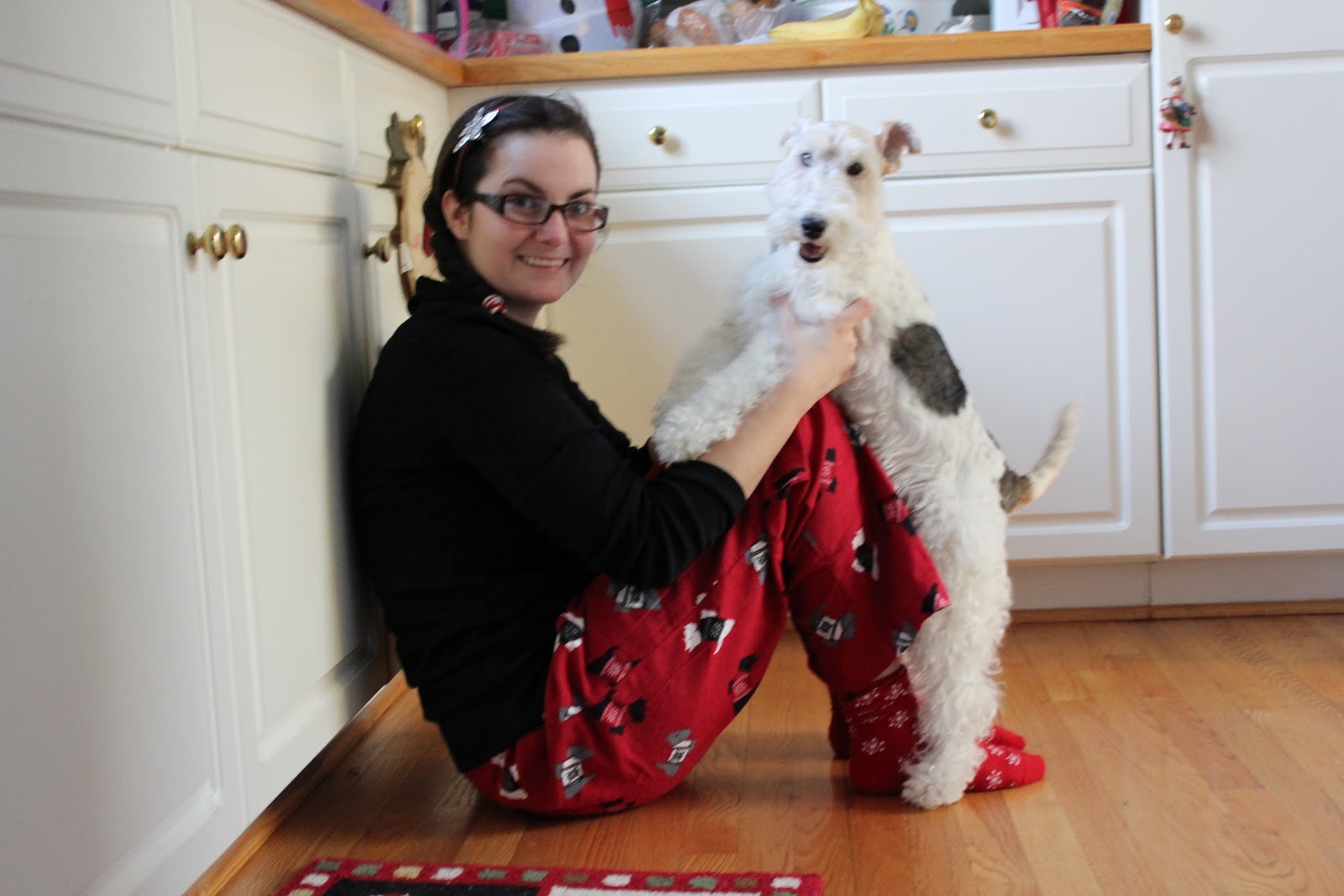 I keep trying to remind myself that no matter what I'm faced with, there is always hope that tomorrow will be better. I think its important to keep hope in your life. I'm not claiming that that is an original idea, of course its not, but it is important to remember. Sometimes when it seems like nothing is going my way I remind myself of all the things I'm blessed with and grateful for. I have a family that loves and supports me, I have food, shelter, a warm bed and access to medical treatment. I don't have a fatal disease, mine affects my quality of life rather than threatening to take it. I have a diagnosis, even if its not something I want to have, not know what was wrong with me was torture. And I have the little things.
 My friends text me and message me on Facebook all the time which makes me smile. My puppies like to snuggle on my feet and beg for me to pet them. I got a new haircut (to hide all the fact that much of it has fallen out). I have endless hours of games on my iPhone. I have tons of nail polish to choose from for nail designs. I'm a guild master of a successful raiding guild on WoW. My sims just had twins. And tonight there may be snow. Its like the song goes, "I simply remember my favorite things, and then I don't feel so bad..."

 I had been hoping that the IV treatment would work. I am getting so tired of trying things and having them not work. This isn't easy. But I am even more tired of being cooped up in this body. I literally feel trapped in this body that isn't working, meanwhile I would give anything to be able to run or dance or ride a roller coaster or SCUBA dive. We need to find a way to get me better, everyday spent in bed is a day I will never get back and that kills me. I don't want to spend my life in bed, I want to live it. I want to get out of the house and run errands, I want to work, I want to go on day trips and not have to worry about POTS. I want to be able to leave the house alone and not fear what will happen if I pass out somewhere or have my bp drop and not be able to drive myself home. I want to not be scared of what my future will be, and because of that, I am trying to get better so I can control that. After all, I need to get better so I can change the world.
Term | Definition |
Syncope | fainting |
Hypotension | low blood pressure |
Orthostatic | standing up or upright |
Orthostatic Intolerance (OI) | the inability to tolerate the upright stance |
Arrhythmia, arrhythmic | abnormal heart rhythm, irregular, too fast (tachycardia), too slow (bradycardia) |
Ischemia, ischemic | too little blood |
Long QT syndrome | an electrical heart abnormality that can produce dangerous arrhythmias |
Cardiomyopathy | disease of the heart muscle |
Myocardial infarction | heart attack |
Cardiogenic | caused by the heart |
Neurovascular, Neurally mediated, neurocardiogenic | caused by an interaction between the nervous system and the circulatory system |
Vaso, Vascular, vasomotor | pertaining to blood vessels and their contraction |
Vagus, vagal | a cranial nerve which when stimulated causes heart slowing (among other actions) |
Autonomic nervous system | the part of the nervous system regulating many involuntary actions such as the heart rate and blood pressure |
Venous | pertaining to veins |
Right atrium | the part of the heart which receives blood returning from the body |
Pooling | the collection of blood or body fluids in dependent portions of the body |
Arterial resistance (vasoconstriction) | contraction of small arteries provides resistance against which our heart pumps blood. Different vessel resistances account for redistribution of blood throughout our body |
Peripheral resistance | usually refers to arterial resistance in more peripheral parts of the body: e.g. limbs, skin |
Vasodilation | arterial widening |
Splanchnic vascular bed | liver, spleen and digestive tract: major venous reservoir |
ARTERIAL BARORECEPTORS | pressure receptors intimately involved with the response to orthostasis |
Cardiopulmonary reflexes | reflexes from the heart and lungs which affect vascular function; these are less involved with the normal response to orthostasis |
renin-angiotensin-aldosterone, epinephrine, vasopressin | hormones involved with blood pressure regulation |
cerebrovascular autoregulation | the ability of the brain to maintain its blood flow |
Tilt Table test, head-up tilt, HUT | typically a motorized table with foot support which can take a patient from supine to upright or any angle in between. HUT is the de facto orthostatic stress test. |
Hemodynamic | pertaining to the flow of blood |
Asystole | heart stopping |
Ventricle | pumping chamber of the heart |
Contractile, contractility | pertaining to the intrinsic ability of the heart to contract |
Hypovolemia | low blood volume |
Dysautonomia, dysautonomic | malfunction of the autonomic nervous system |
Familial dysautonomia | an inherited form of autonomic failure seen only in Ashkenazi Jews |
Valsalva maneuver | a simple test of overall autonomic function |
POTS | postural orthostatic tachycardia syndrome |
Sympathetic, sympathetic nervous system | the part of the nervous system which when activated increases heart rate and blood pressure and causes vasoconstriction among other actions. |
Parasympathetic, parasympathetic nervous system | in some sense the obverse of the sympathetic system, it slows the heart rate and may have effects on blood pressure among other non-circulatory actions. The vagus nerve and the glossopharyngeal nerve are importantly involved with these actions. |
